Article
The Role of Transaction Risk Analysis in Modern Financial Security

Uros Pavlovic
March 6, 2024
Digital transactions have become the backbone of global commerce. This created a greater frequency of cyber threats poses an unprecedented challenge. Against this backdrop, Transaction Risk Analysis (TRA) emerges as a critical safeguard, designed to navigate the complex landscape of online fraud and ensure secure, seamless financial transactions. At its core, TRA leverages a combination of advanced technologies, including Machine Learning and digital signals. This analytical approach not only enhances the security of digital transactions but also supports Strong Customer Authentication (SCA) processes and intelligently navigates the nuances of SCA exemptions, ensuring compliance without compromising user experience.
Understanding the fundamentals of Transaction Risk Analysis
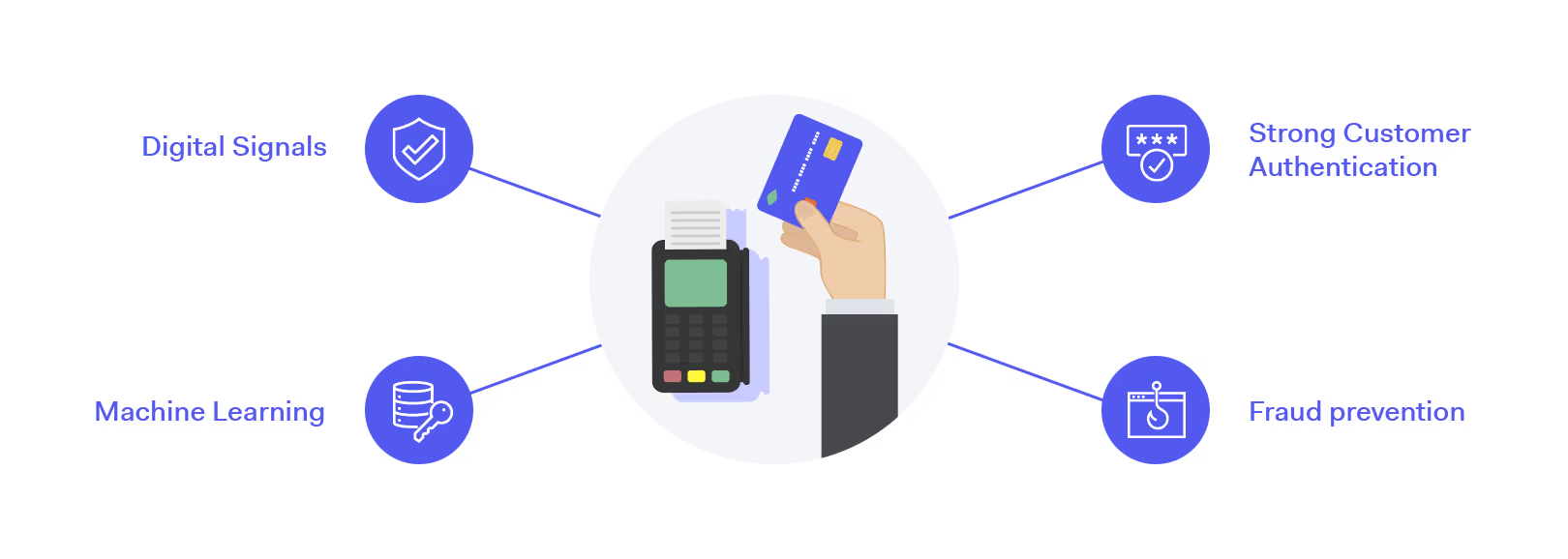
Transaction risk analysis stands at the forefront of the fight against online fraud, embodying a sophisticated approach that scrutinizes every digital transaction to identify potential risks. Unlike traditional risk management techniques that rely heavily on static data and rule-based systems, TRA harnesses the power of dynamic data analysis, leveraging a vast array of digital signals to paint a comprehensive picture of each transaction's risk profile.
- Digital signals - how they work: digital signals, the cornerstone of TRA, include a myriad of data points such as device identification, geolocation, IP addresses, browser fingerprints, and behavioral biometrics. By analyzing these signals, TRA systems can detect anomalies and patterns indicative of fraudulent activity. For instance, a transaction initiated from a previously unseen device or an unusual location may trigger additional verification steps.
- The role of machine learning: machine learning algorithms are integral to enhancing the efficacy of TRA. These algorithms learn from historical transaction data, continually refining their ability to distinguish between legitimate and fraudulent activities. Over time, the system becomes adept at predicting and preventing fraud with greater accuracy, adapting to new tactics employed by fraudsters.
- Supporting Strong Customer Authentication: SCA, a regulatory requirement under the PSD2 directive in the European Union, mandates two-factor authentication for online transactions to enhance security. TRA plays a pivotal role in implementing SCA by assessing the risk level of each transaction in real-time. Low-risk transactions may qualify for SCA exemptions, streamlining the authentication process without compromising security.
- Beyond fraud prevention: beyond its primary function of fraud prevention, TRA also optimizes the customer experience. By accurately identifying low-risk transactions, TRA allows for frictionless authentication processes, reducing transaction abandonment and enhancing customer satisfaction. This balance between security and user experience is paramount in today's digital economy, where consumer expectations are higher than ever.
To recap, Transaction Risk Analysis represents a dynamic and adaptive approach to securing digital transactions. Through the analysis of alternative digital signals and the application of machine learning algorithms, TRA offers a robust solution to the challenges of online fraud, ensuring that businesses can protect their operations and their customers in the digital age.
Strong Customer Authentication (SCA) Explained
Strong Customer Authentication (SCA) is now a cornerstone of regulatory efforts aimed at enhancing digital transaction security. This method was introduced as part of the Revised Payment Services Directive (PSD2) in the European Union. To clarify a bit more, SCA mandates a multi-factor authentication approach for electronic payments. To make it efficient, the approach requires at least 2 out of 3 authentication elements: something the user knows (like a password, for instance), something the user has (i.e. a mobile device), and something the user is (e.g., biometric data). The intent behind SCA is to significantly reduce the risk of fraud in online payments by ensuring that the person initiating a transaction is indeed authorized to do so.
After SCA was instituted, certain challenges have emerged. For example, one of the biggest challenges is in balancing security measures with user convenience. Disrupting the user experience is not a good thing. Too many authentication requests frequently cause transaction friction, potentially increasing abandonment rates during online checkouts. This is where Transaction Risk Analysis (TRA) plays a pivotal role. By assessing the risk level of each transaction in real-time, TRA allows businesses to apply SCA dynamically, tailoring the authentication process to the assessed risk and thereby improving the customer experience.
Integration with TRA: the integration of TRA with SCA processes enables a nuanced approach to authentication. High-risk transactions are subjected to stringent SCA checks, while those deemed low-risk can proceed with minimal or no additional authentication, thanks to TRA's comprehensive analysis. This risk-based approach ensures that security measures are proportionate to the threat level, minimizing unnecessary friction for consumers.
Regulatory recognition: importantly, the regulatory framework surrounding SCA recognizes the value of TRA. Specific exemptions to SCA requirements are allowed based on transaction risk levels assessed through TRA. This regulatory flexibility underscores the importance of advanced risk analysis technologies in shaping a secure yet user-friendly digital payments ecosystem.
Navigating SCA exemptions with TRA
The ability to navigate SCA exemptions effectively is crucial for businesses seeking to optimize their transaction flows while adhering to security regulations. Exemptions to SCA are permitted under certain conditions, such as low-value transactions, transactions identified as low-risk through TRA, recurring transactions, and trusted beneficiaries. Utilizing TRA to assess and justify exemptions requires a sophisticated understanding of both the regulatory landscape and the technical capabilities of TRA systems.
Criteria for exemption: to qualify for SCA exemptions based on transaction risk, TRA systems must demonstrate a low fraud rate, as specified in regulatory guidelines. The assessment involves analyzing historical transaction data and real-time risk indicators to determine if a transaction can proceed without full SCA.
Implementing TRA for exemptions: for businesses, implementing TRA to navigate SCA exemptions involves integrating advanced analytics into their transaction processing systems. This includes setting thresholds for risk levels that align with regulatory allowances for exemptions and continuously monitoring transactions for anomalies that might indicate a need for SCA.
Balancing risk and experience: the ultimate goal of leveraging TRA for SCA exemptions is to strike the optimal balance between minimizing fraud risk and maximizing transaction completion rates. By intelligently applying exemptions where risk is low, businesses can enhance the customer experience without compromising security. This strategic approach not only fosters customer trust but also supports business growth by reducing friction in the transaction process.
In navigating the complexities of SCA and its exemptions, TRA emerges as an invaluable tool. It provides businesses with the agility to adapt to regulatory requirements while prioritizing the customer experience. Through meticulous risk analysis and strategic exemption application, TRA enables a seamless, secure transaction environment that supports both compliance and convenience.
Best steps to implement Transaction Risk Analysis
Implementing Transaction Risk Analysis (TRA) effectively is crucial for businesses aiming to safeguard their digital transactions against fraud. However, this implementation is not without its challenges, which range from technological integration to regulatory compliance and data privacy concerns. Addressing these challenges requires a strategic approach, combining advanced technology with certain data analysis and cybersecurity practices.
Technological integration challenges: one of the primary hurdles in deploying TRA is the integration of sophisticated analytics into existing systems. Businesses must ensure their IT infrastructure can handle the complex algorithms and large volumes of data processed by TRA. This often involves upgrading hardware, software, and network capabilities to support real-time data analysis and decision-making.
Regulatory and compliance issues: with the global landscape of financial regulations constantly evolving, staying compliant while implementing TRA can be daunting. Businesses must navigate a maze of regional and international regulations, including data protection laws that impact how transaction data can be collected, stored, and used.
What are TRA exemptions?
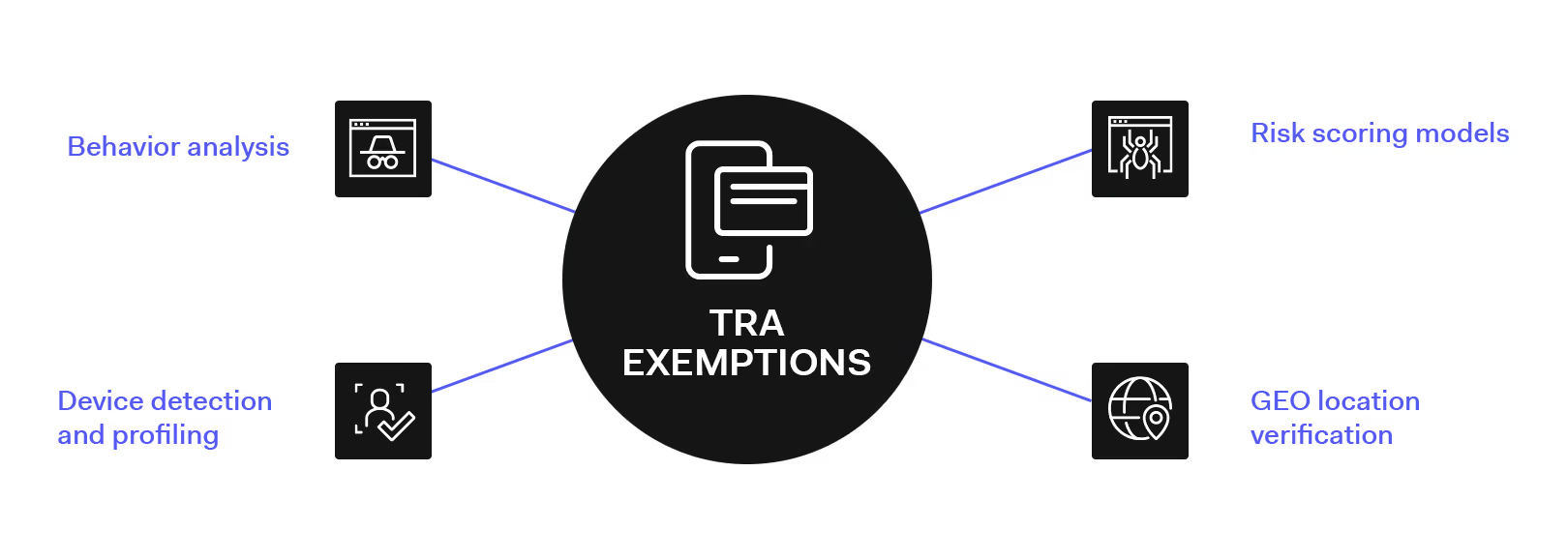
TRA exemption is very similar to SCA exemption. TRA exemption strategically directs low-risk traffic away from high-friction security gateways like 3DS, prioritizing a dynamic friction approach to ensure a seamless experience for legitimate customers. Reserved for cases where uncertainty lingers, TRA exemption relies on specific thresholds tied to the transaction's risk level and payment environment. This dual facet falls within the purview of both the payment acquirer and issuer, collectively aiming to streamline secure transactions.
TRA exemptions can be spotted using various methods:
Behavior analysis
Sophisticated machine learning algorithms aim to recognize patterns in user behavior, comparing them with historical data about individual users and their transactions. Should there be a recent alteration in a buyer's behavioral patterns or any noticeable irregularities, this data can be leveraged to assess the level of risk. Discover more about Browser Fingerprinting.
Device detection and profiling
Device profiling enables the monitoring of activities based on the device involved in a transaction. Has the user previously engaged in transactions using this specific device? Additionally, is there any discrepancy between the device's characteristics and the established historical records? Each piece of information contributes to constructing a distinct profile of the device, analogous to the unique lines found in a human fingerprint. Learn more.
Risk scoring models
Fraud scoring involves interpreting historical fraud patterns and cross-referencing those with corresponding transactions. As a result, you create risk scores based on different digital footprints, potentially utilizing automated processes to flag transactions deemed as high risk. Read more about the Rule Builder and creating custom score models.
GEO location verification
Certain areas and regions carry varying degrees of risk. Utilizing tools like IP intelligence and address verification, you can validate the buyer's location. Should the transaction originate from a user significantly outside their recognized region, state, or country, it may trigger a flag for Strong Customer Authentication (SCA) authentication.
TRA Implementation
Implementing Transaction Risk Analysis (TRA) effectively is a multifaceted endeavor that requires careful planning, strategic integration, and ongoing management. As businesses navigate the complexities of incorporating TRA into their transaction processing systems, adhering to a set of best practices can significantly enhance the effectiveness of their fraud prevention efforts. These practices not only help in overcoming the initial technological and regulatory challenges but also ensure that the TRA system remains robust, adaptive, and aligned with the evolving landscape of digital transactions. Below, we delve into some key strategies businesses can employ to maximize the benefits of their TRA implementation.
Step 1: data quality and privacy
Prioritize the quality of the data collected for TRA and adhere strictly to data privacy regulations. Ensuring data is accurate, relevant, and legally obtained is fundamental to the effectiveness of TRA systems.
Step 2: continuous learning and adaptation
implement Machine Learning (ML) algorithms that continuously learn from new transaction data. This adaptability is crucial for keeping pace with evolving fraud tactics.
Step 3: cross-functional collaboration
Foster collaboration between IT, risk management, compliance, and customer service teams. A unified approach ensures that TRA implementation is aligned with business objectives and regulatory requirements.
Step 4: inform and educate users
Educate users on the benefits of TRA and any related changes to the transaction process. Transparency about how TRA enhances security and the customer experience can foster trust and acceptance.
Industry statistics: the cost of neglecting TRA
The financial implications of not implementing Transaction Risk Analysis are stark, with industry statistics painting a clear picture of the potential costs. Fraudulent activities not only lead to direct financial loss but also damage brand reputation, customer trust, and regulatory compliance standings.
Financial loss: businesses worldwide lose billions annually to online fraud. These losses encompass unauthorized transactions, chargeback fees, and operational costs associated with fraud detection and prevention. Although financial losses are in slight decline, fraudsters still managed to get away with approximately £580 million via both authorized and unauthorized fraud. In addition, according to data gathered by Barclaycard Payments, UK retailers lost out on £130 million worth of sales due to not being fully compliant with Strong Customer Authentication (SCA) rules and this was only one month after the new rule was implemented.
Impact on customer trust and brand reputation: beyond immediate financial losses, the long-term impact of fraud on customer trust and brand reputation can be devastating. Customers who experience fraud are less likely to return, and negative experiences can quickly erode trust in a brand.
Regulatory fines and compliance costs: failing to implement adequate fraud prevention measures, including TRA, can result in significant regulatory fines. Additionally, the cost of achieving compliance after a breach can far exceed the investment in preventative measures.
Mitigating loss with TRA: implementing TRA can significantly reduce the incidence and impact of online fraud. By detecting fraudulent transactions before they are completed, businesses can avoid financial losses and maintain customer trust. Furthermore, TRA can aid in compliance with evolving regulatory requirements, reducing the risk of fines and sanctions.
The compelling statistics on the cost of neglecting Transaction Risk Analysis underscore the importance of proactive fraud prevention strategies. Investing in TRA not only mitigates financial risks but also supports sustainable business growth by protecting customers and preserving brand integrity.
Advancements and predictions in TRA
The landscape of Transaction Risk Analysis (TRA) is perpetually evolving, driven by advancements in technology and the ever-changing nature of online fraud. As digital transactions continue to grow in volume and complexity, the tools and methodologies employed in TRA are rapidly adapting, incorporating cutting-edge technologies to stay ahead of fraudsters. This section explores the latest trends in TRA technology and offers predictions on how these developments might shape the future of digital transaction security.
Artificial Intelligence (AI) and Machine Learning (ML): the integration of Artificial Intelligence (AI) and Machine Learning (ML) into TRA systems has marked a significant leap forward in fraud detection capabilities. These technologies enable more sophisticated analysis of transaction data, identifying subtle patterns and anomalies that may indicate fraudulent activity. AI and ML models are constantly learning from new data, improving their predictive accuracy over time and allowing for proactive fraud prevention.
Biometric authentication: as part of the broader TRA framework, biometric authentication technologies such as fingerprint scanning, facial recognition, and voice analysis are becoming more prevalent. These methods offer a highly secure and user-friendly way to verify identities, significantly enhancing the effectiveness of Strong Customer Authentication (SCA) measures.
Blockchain and cryptography: blockchain technology and advanced cryptographic methods offer new possibilities for securing transactions and protecting data integrity. By leveraging decentralized ledgers and secure, tamper-proof encryption, TRA systems can enhance trust and transparency in digital transactions, making it more difficult for fraudsters to manipulate or intercept data.
Fraud prevention and what’s in store for TRA?
As we peer into the horizon of Transaction Risk Analysis, several forward-looking trends promise to redefine the contours of fraud prevention and digital security.
- Increased personalization: future TRA systems are likely to offer more personalized risk assessments, using AI to analyze individual user behavior patterns and tailor security measures accordingly. This could further reduce friction for legitimate transactions while tightening security around high-risk activities.
- Greater integration with IoT devices: as the Internet of Things (IoT) continues to expand, TRA systems will increasingly interact with a wider range of devices. This integration can provide additional data points for risk analysis but also introduces new challenges in securing IoT-enabled transactions.
- Regulatory evolution: as TRA technologies advance, regulatory frameworks will need to evolve to address new security capabilities and potential privacy concerns. This could lead to more standardized approaches to TRA implementation and data protection across industries.
The advancements in TRA technology are not only enhancing the ability to detect and prevent fraud but are also reshaping the landscape of digital transactions. As these technologies continue to evolve, they promise to deliver more secure, efficient, and user-friendly transaction experiences, marking a new era in the ongoing battle against online fraud.
To achieve an uninterrupted checkout experience while staying compliant with additional authentication requirements poses a challenge for merchants and PSPs. Feel explore more about Transaction Risk Analysis and other fraud solutions, or reach out to our fraud experts who have spent years within the financial services industry, elevating customer trust, while being able to help businesses collect data from digital signals.
You can also download our TRA Whitepaper to understand more.
Questions and Answers
How does TRA differ from traditional fraud detection methods?
TRA differs from traditional fraud detection methods by leveraging a broader spectrum of digital signals and employing advanced technologies like machine learning to analyze transaction data in real time. This approach allows for a more dynamic and accurate identification of fraudulent activities, moving beyond static rule-based systems to adapt to new fraud tactics as they emerge.
Can small businesses benefit from TRA, or is it only suitable for large enterprises?
Small businesses can significantly benefit from TRA as much as large enterprises can. While the scale of implementation may vary, the core advantages of enhanced security, reduced fraud, and improved customer experience apply universally. Many TRA solutions are scalable and can be tailored to fit the specific needs and transaction volumes of smaller businesses.
Is implementing TRA a complicated process?
Implementing TRA can be complex, mainly due to the need for integrating advanced analytical tools into existing systems and ensuring compliance with various regulatory requirements. However, by following best practices and possibly seeking expert assistance, businesses can streamline the implementation process, making it manageable and beneficial in the long term.
How do advancements in AI and machine learning impact the future of TRA?
Advancements in AI and machine learning are set to make TRA even more effective and efficient. These technologies enhance the ability of TRA systems to analyze vast amounts of transaction data more accurately, learn from new patterns of fraud, and offer predictive insights that can preempt fraudulent activities, thereby improving security and user experience.
Are there any privacy concerns associated with the use of TRA?
While TRA involves the analysis of transaction data, which may include personal and sensitive information, strict adherence to data protection regulations and best practices in data privacy can mitigate privacy concerns. Businesses implementing TRA need to ensure that they collect, store, and process data securely and transparently, respecting user privacy and compliance requirements at all times.