Money muling

Detect money mules at sign-up

Instantly identify risk factors linked to money muling activities.

Money muling at a glance

Money muling happens when individuals’ accounts are used to receive and move illicit funds for criminals, exposing businesses to losses and AML compliance breaches.

Catch money mules at all critical touchpoints

An estimated $13 trillion is laundered globally every year, often with the help of money mules. Trustfull strengthens AML controls with the power of open source intelligence.

First line of defence

Assess user risk at the very beginning of the onboarding process.

Silent checks

Detect money mule accounts without slowing down legitimate users.

Powered by OSINT

Leverage the power of hundreds of digital open source intelligence signals.

Event-based

Trigger new checks whenever contact details are updated by customers.
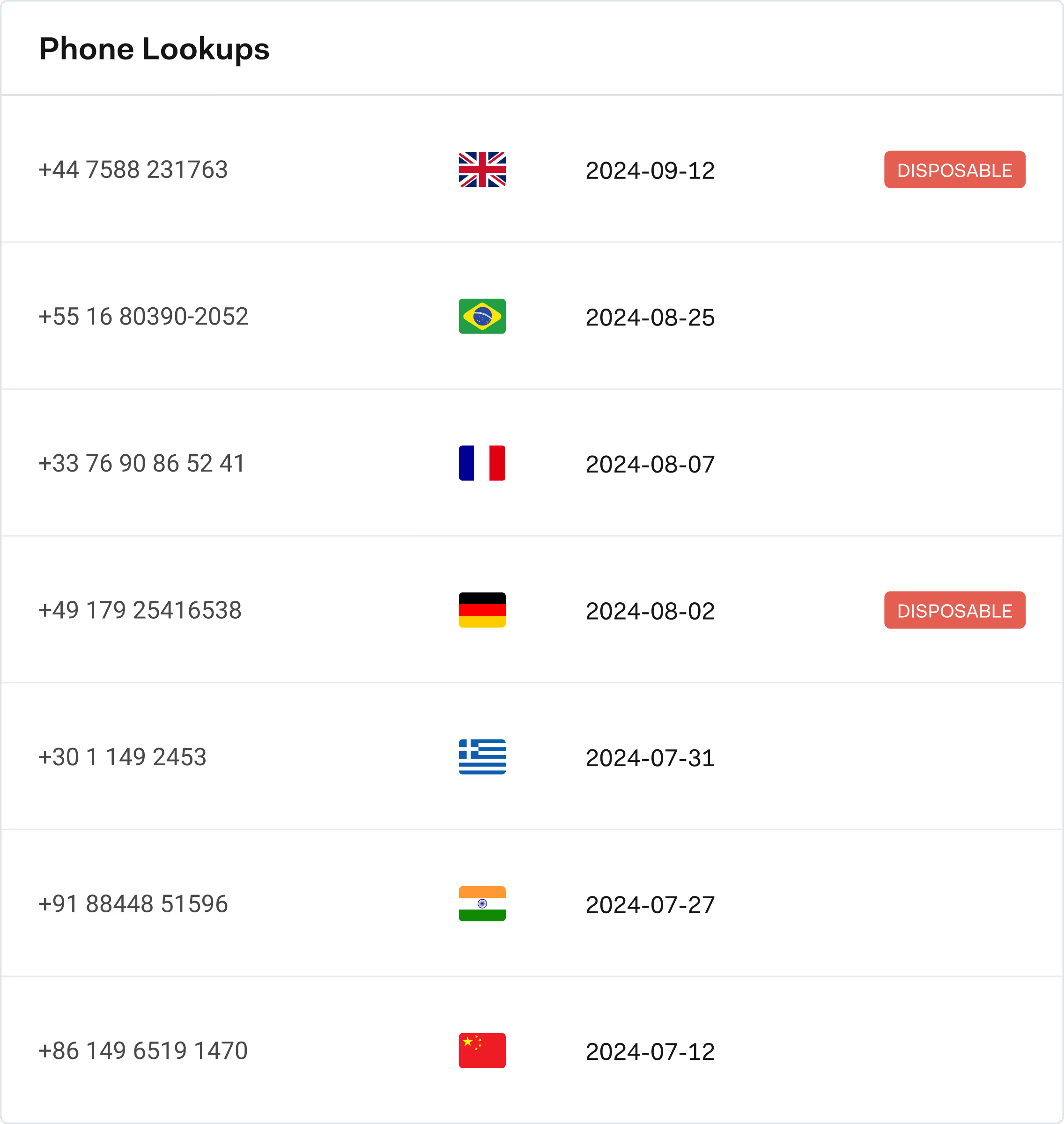
Table listing phone numbers with country flags, dates, and disposable status; includes UK, Brazil, France, Germany, Greece, India, and China.

Phone number verification

Verify phone numbers provided at sign-up to detect high-risk new accounts:
Retrieve MNO, porting history and phone-to-name details
Detect messaging apps and other connected online services
Flag disposable phone numbers anywhere in the world
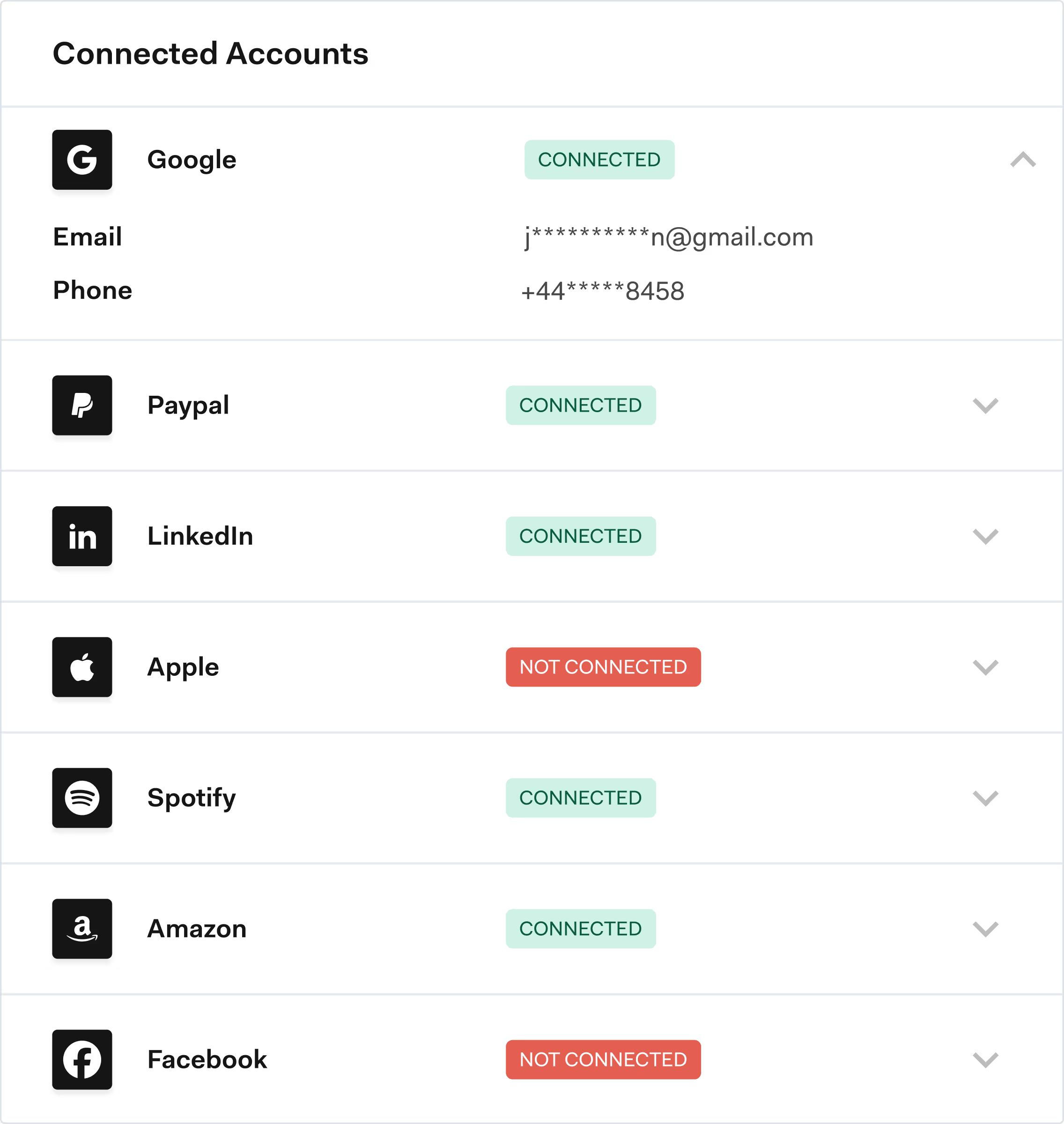
List of connected accounts showing Google, Paypal, LinkedIn, Spotify, and Amazon as connected, and Apple and Facebook as not connected.

Email address analytics

Analyze users’ email addresses for signs of abuse or synthetic identities:
Retrieve a list of online services linked to the email
Search for the email in a vast library of known data breaches
Analyze public profile pictures for age and gender estimation
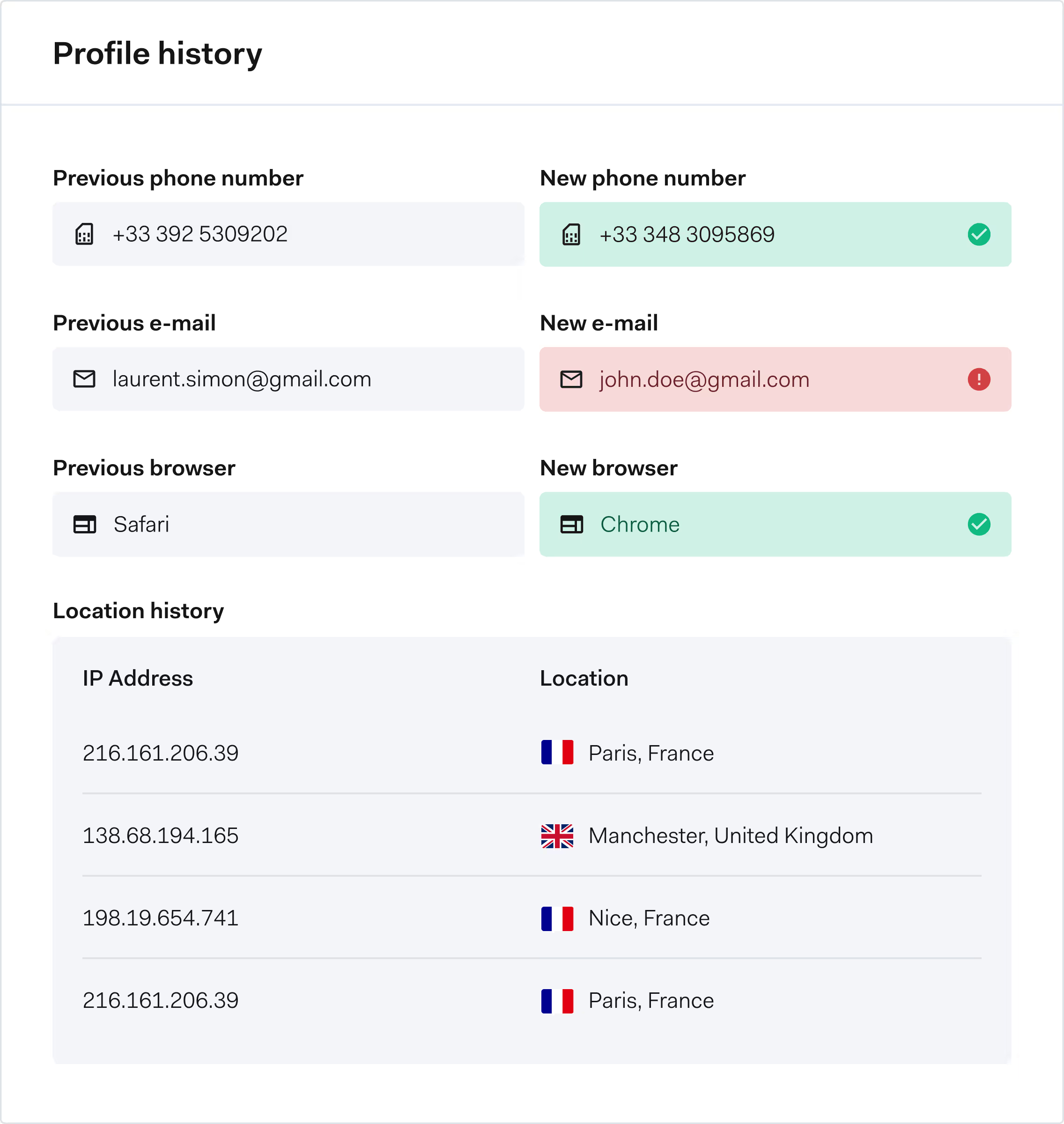
Profile history showing updates: phone number changed (verified), email changed showing error, browser changed from Safari to Chrome (verified), and location history lists IPs.

Profile update checks

Trigger new checks whenever customers update their email or phone number:
Re-verify new phone numbers and email addresses in real time
Compare changes against device, location and usage history
Spot suspicious “sales” or takeovers of previously clean accounts
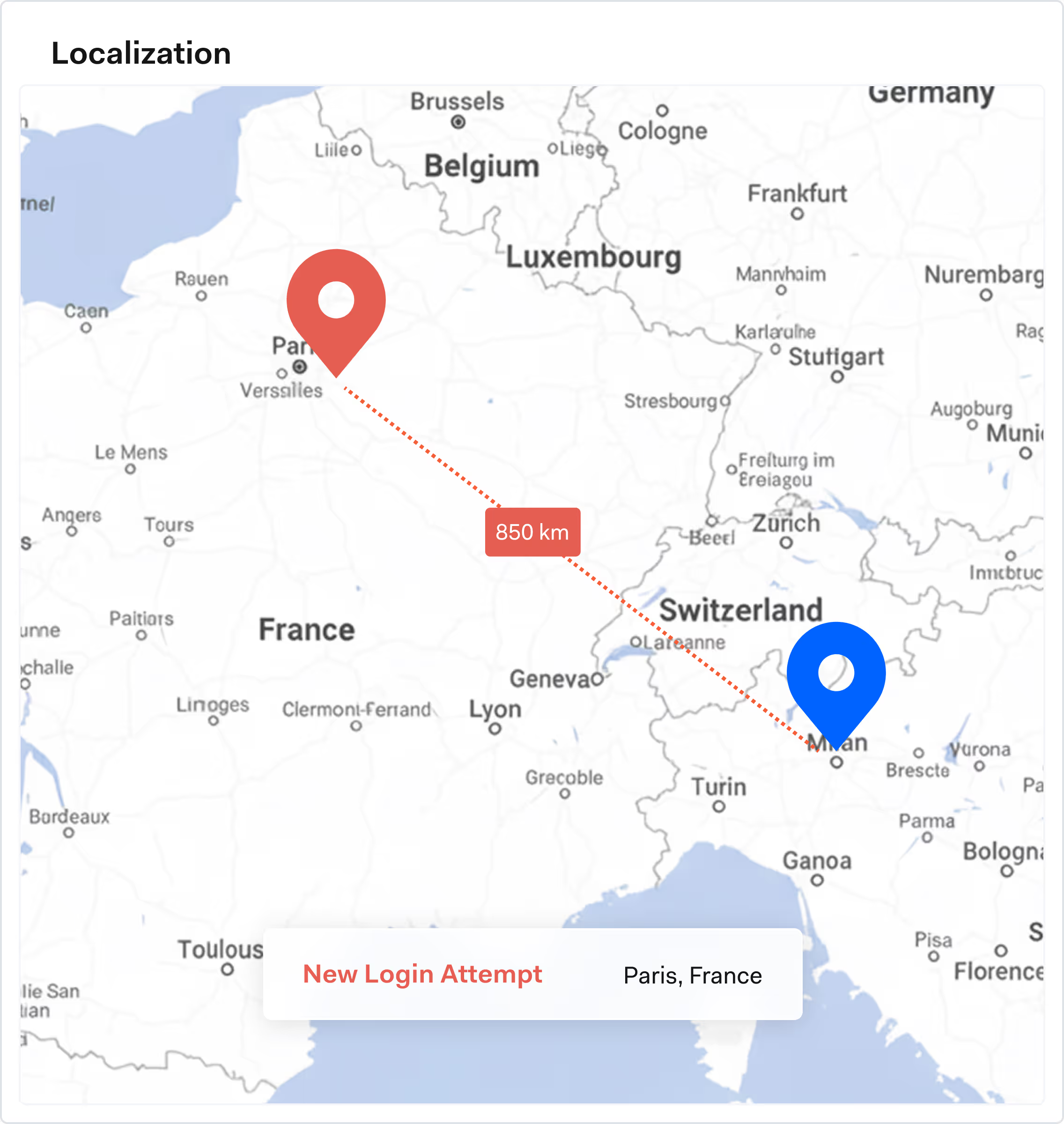
Map showing a new login attempt from Paris, France, 850 km away from Milan, Italy, marked with blue and red location pins connected by a dotted line.

Account access monitoring

Continuously monitor the circumstances of users accessing their accounts:
Analyze login patterns across devices, browsers and IP addresses
Identify anomalies like impossible travel or unusual session times
Monitor users’ typing patterns and mouse activity for signs of ATO
Table listing phone numbers with country flags, dates, and disposable status; includes UK, Brazil, France, Germany, Greece, India, and China.
List of connected accounts showing Google, Paypal, LinkedIn, Spotify, and Amazon as connected, and Apple and Facebook as not connected.
Profile history showing updates: phone number changed (verified), email changed showing error, browser changed from Safari to Chrome (verified), and location history lists IPs.
Map showing a new login attempt from Paris, France, 850 km away from Milan, Italy, marked with blue and red location pins connected by a dotted line.

“The integration of Trustfull in our AML process allowed us to tap into alternative data sources to identify suspicious behaviour in the account opening phase.”

Luca Crivellari

Security & Antifraud Director, Banca Sella

Sella logo

Frequently asked questions

What is money muling?
Money muling is when someone moves or withdraws funds on behalf of criminals, often through their own bank account or payment apps. The money usually comes from fraud, scams or other illegal activity.
Are money mules always aware they’re doing something illegal?

No. Some mules are complicit and know exactly what they’re doing. Others are “unwitting” and think they’re doing a simple job, helping a friend, or taking part in a “legitimate” opportunity advertised online.

How do criminals recruit money mules?

They typically use social media, messaging apps, job boards and romance or investment scams. Offers often promise fast, easy money for “receiving and forwarding payments” or “acting as a local agent.”

What are the risks for money mules and financial institutions?

Money mules can face account closure, blacklisting, loss of funds and even criminal charges. Financial institutions risk fraud losses, regulatory fines, reputational damage and increased scrutiny from supervisors.

What are common red flags of money muling activity?

Unusual incoming transfers from multiple sources, rapid onward payments, activity inconsistent with a customer’s profile, use of newly opened or dormant accounts, and frequent changes to contact details or devices can all be indicators of money muling.

Learn more about Money Muling

Protect your business from money muling with Trustfull

Contact us today and let’s discuss how Trustfull’s advanced solutions can help you cut losses, strengthen security, and safeguard your customer experience.
TRUSTED BY WORLD‑LEADING COMPANIES
Twilio logoYounited logoNexi logoRefinitiv logoElavon logoCofidis logoAdmiral logolastminute.com logo