Return fraud
Protect your business in real time
Return fraud at a glance
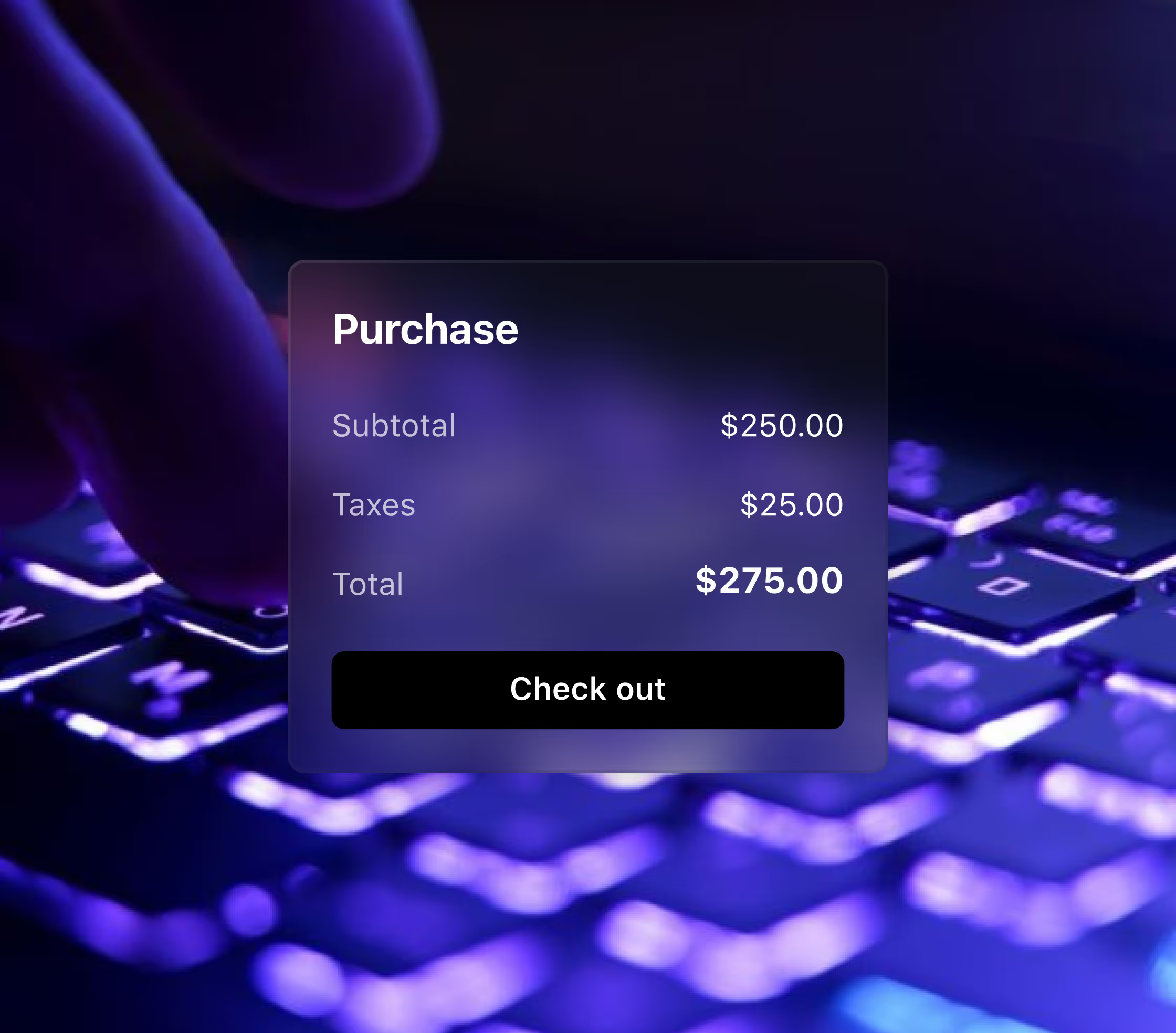
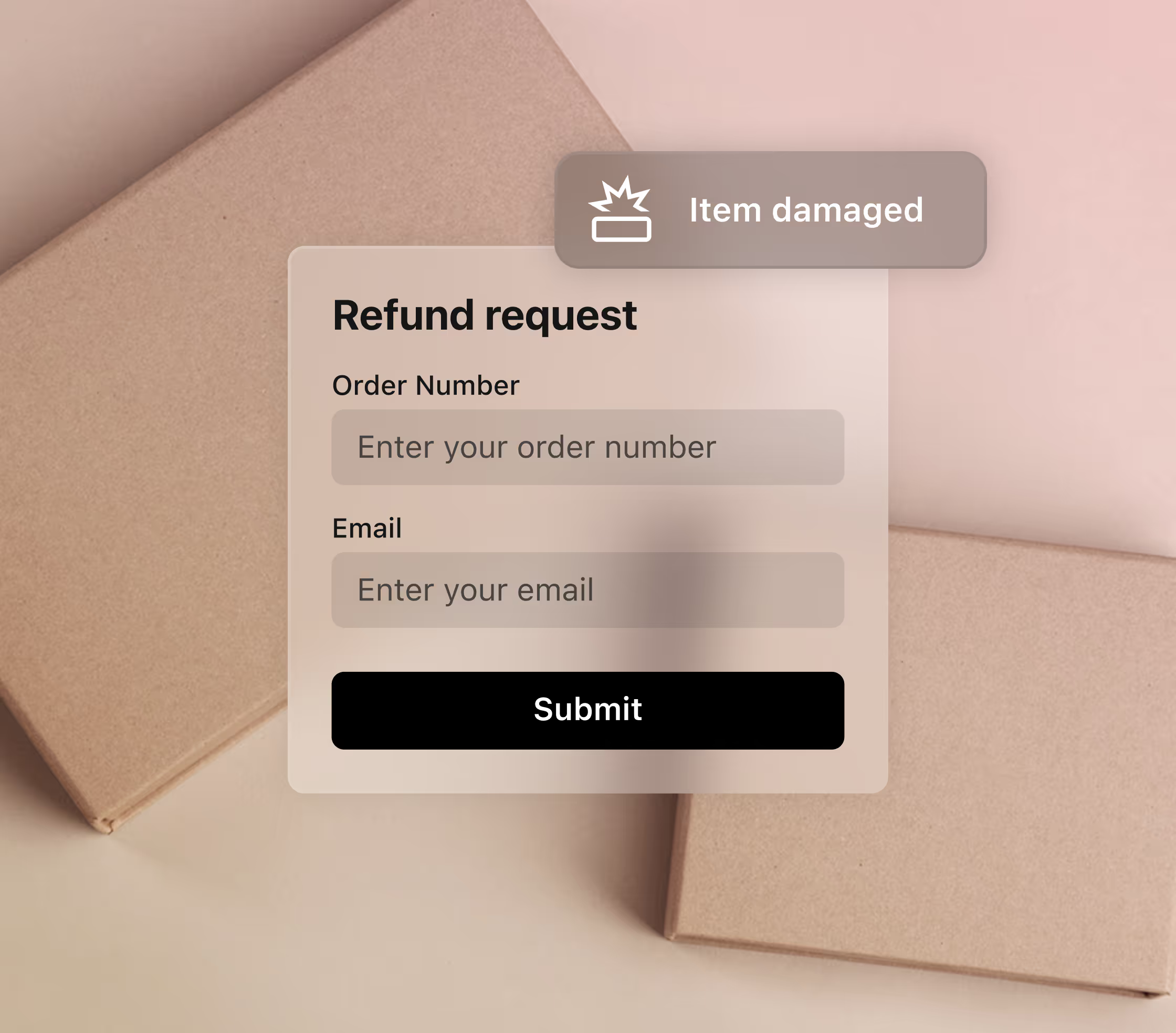

Invisible protection against organized return fraud
First line of defence
Screen contact details of users completing purchases without creating an account.
Silent checks
Boost security without slowing down the checkout process for legitimate users.
OSINT-based
Leverage the power of hundreds of digital open source intelligence signals.
Fully customizable
Build tailor-made models and customise rules based on your business’s specific needs.
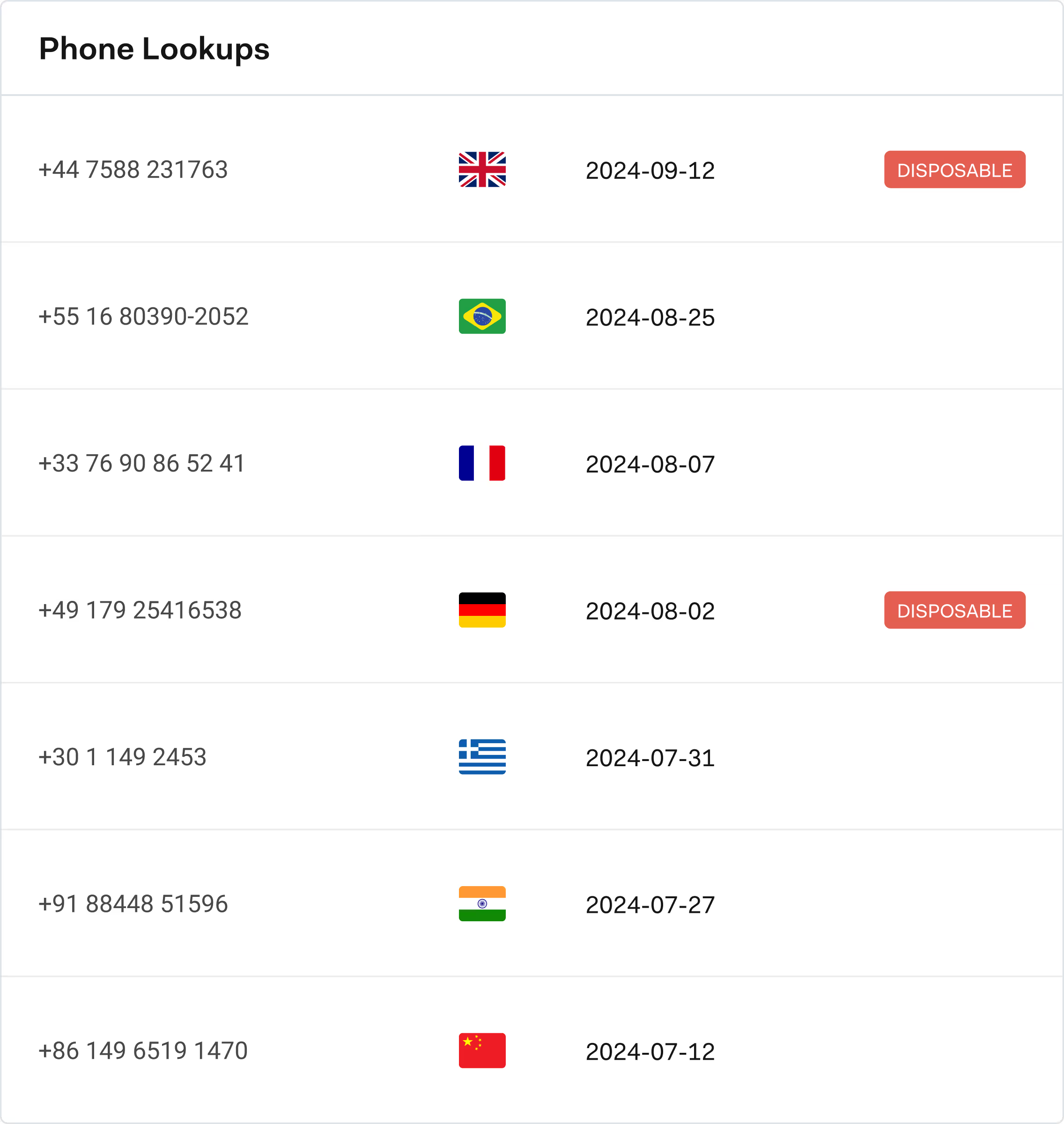
Phone number verification
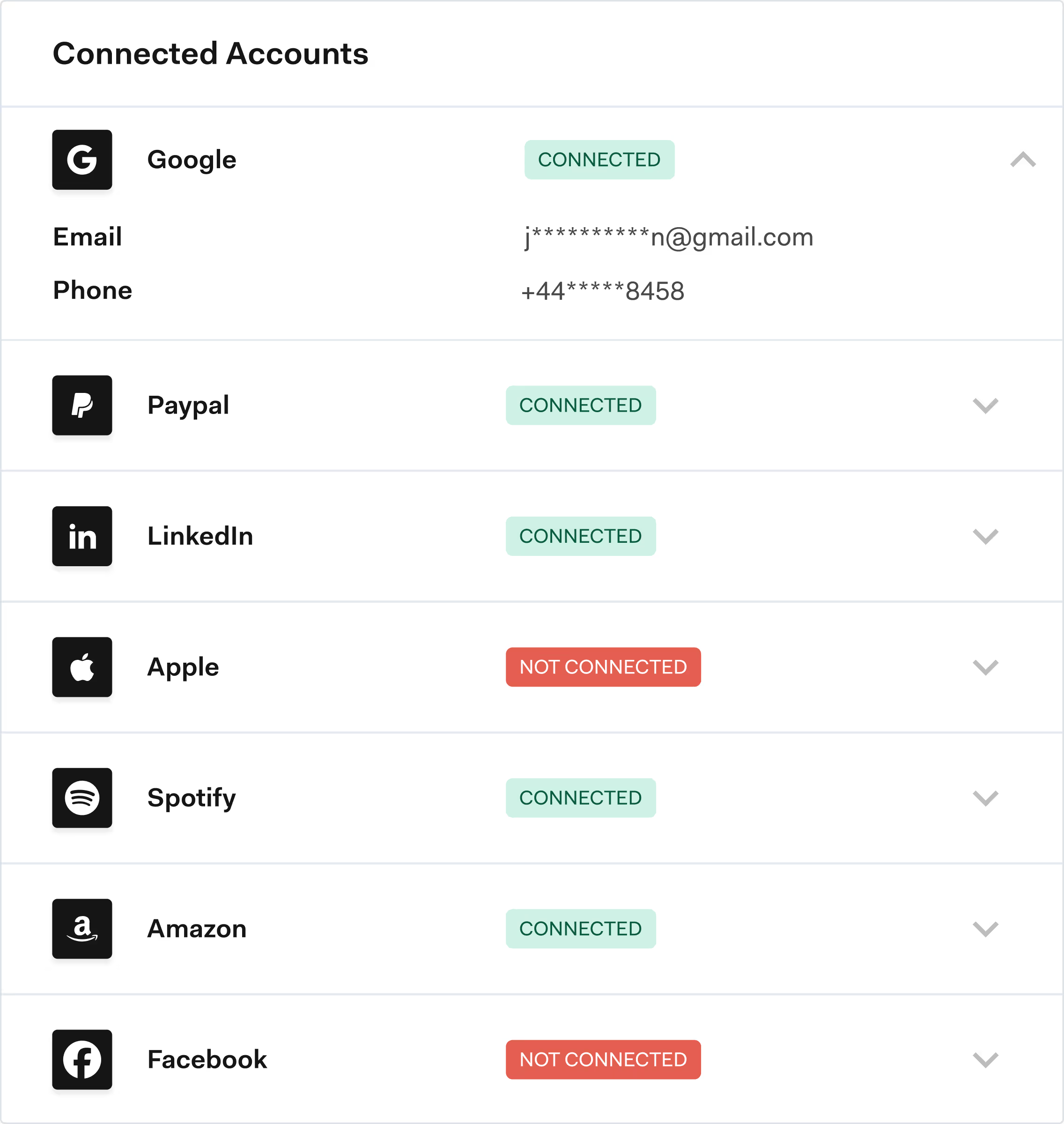
Email address analytics
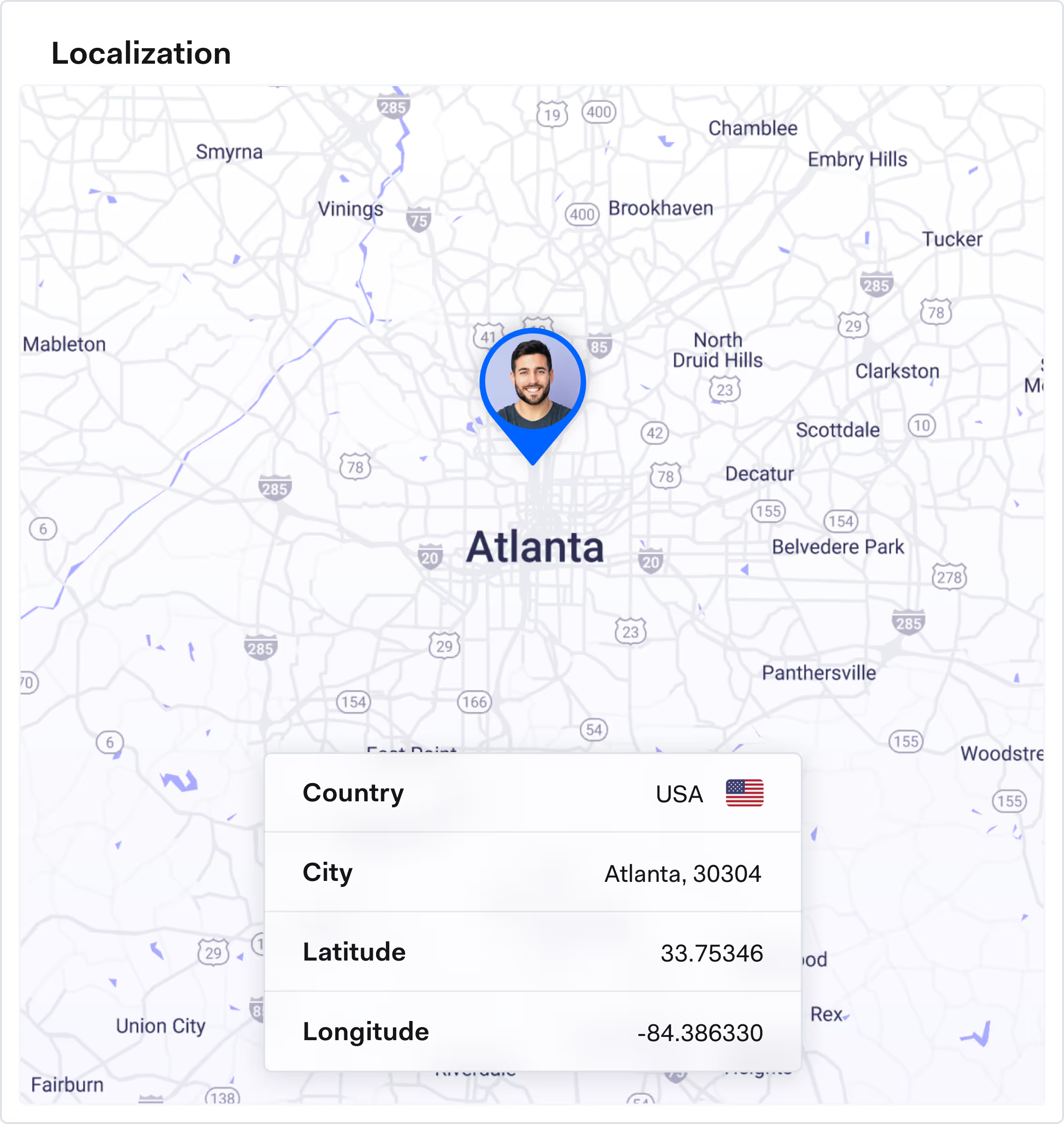
Global IP intelligence
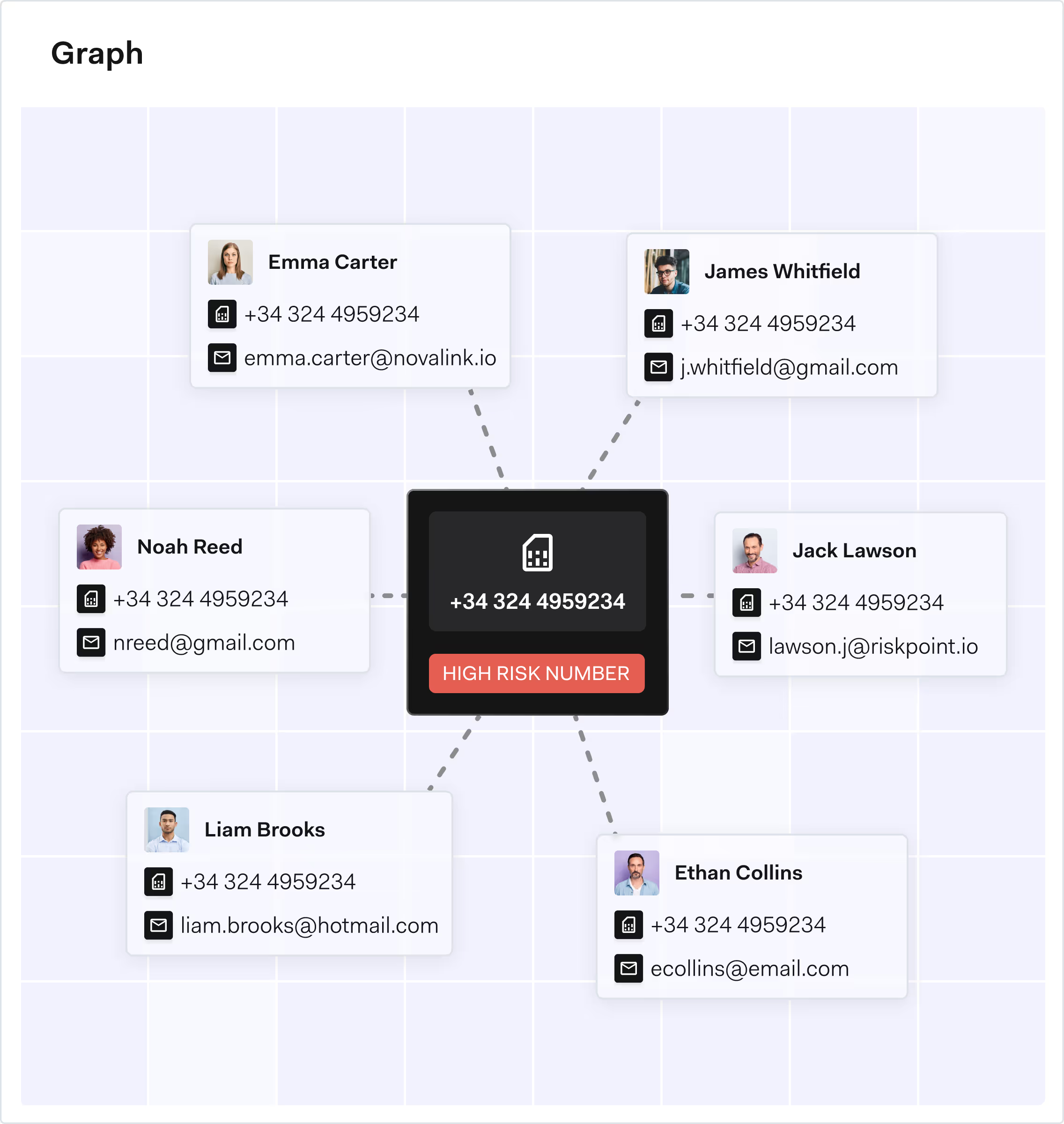
Identity network graph
“Trustfull’s silent checks help us achieve the dual objective of strengthening our fraud prevention controls while maintaining optimal conversion rates across all our channels.”
Filippo Rocca
CEO - Subbyx


Frequently asked questions
Refund fraud can manifest in numerous forms, each exploiting a different aspect of retail operations. Some of the most prevalent types of refund fraud encountered by e-commerce businesses include:
- Wardrobing, which involves customers purchasing items with the intent to use them temporarily and then returning them for a full refund.
- Empty box fraud, where customers claim to return a product but instead send an empty box, or a box filled with irrelevant materials, to the retailer to receive a refund or replacement while retaining the original product.
- Receipt fraud, which occurs when customers use forged or stolen receipts to return items for a profit.
- Cross-retailer return fraud, where fraudsters exploit differences in product identification codes and return policies by returning items purchased from one retailer to another.
In the case of Return/refund fraud, the customer goes directly to the merchant, abuses the returns process, and asks for a refund, replacement, or credit.In the case of Chargeback/friendly fraud, on the other hand, the customer usually goes through their bank or card issuer, disputes the transaction, and the bank pulls the funds from the merchant.
In short: returns fraud abuses your refund policy; chargebacks abuse the payments and card rules.
Often yes, you can delay or refuse refunds when you reasonably suspect fraud, if:
- Your refund and returns policy clearly allows inspections and refusals for abuse or policy violations.
- You document the reasons (mismatched items, missing parts, suspicious patterns).
- You follow local consumer laws, especially for faulty or misdescribed goods, and seek legal advice when in doubt.
Key refund fraud red flags include:
- Unusual behavior: frequent “item not received” or “faulty” claims from customers using the same contact details, IP address or device.
- Item mismatch: returned goods don’t match the original order, serial number, or condition.
- Pattern signals: multiple linked accounts, high-value items targeted, or use of known risky addresses.
- Policy abuse: constant returns, last-minute returns near the deadline, or obvious signs of use on “new” items.
Learn more about Return Fraud



Protect your business from return fraud with Trustfull


