Fake reviews

Detect fake reviews before they erode trust

Build an invisible first line of defence against incentivized, bot-generated and coordinated review abuse.

Fake reviews at a glance

The rise of automated bots, incentivized review farms, and AI-generated feedback has made it increasingly difficult to distinguish genuine reviews from fraudulent ones.

Frictionless protection against fake reviews

It is estimated that 30 to 40% of reviews online are inauthentic or fake. Trustfull helps stop review abuse at the source with the power of silent digital risk scoring.

First line of defence

Assess review and reviewer risk as soon as an account is created or a review is submitted.

Frictionless checks

Run fraud checks in the background so legitimate users can post reviews without extra verification steps.

1,000+ OSINT signals

Leverage hundreds of open source intelligence signals to detect fake new accounts and reviews.

Global coverage

Uncover fake reviewers’ real location and stop fraudsters anywhere in the world.
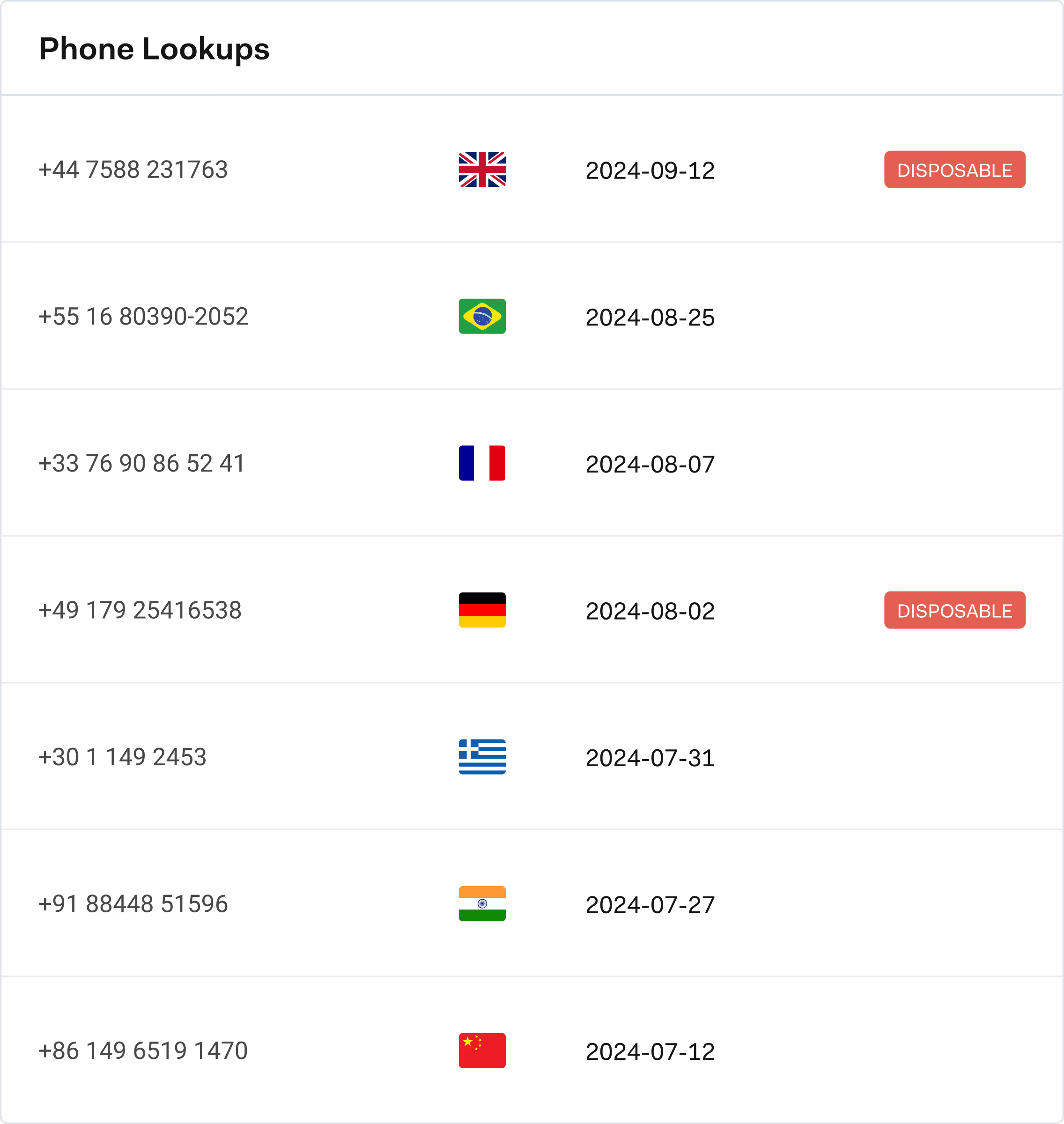
Table listing phone numbers with country flags, dates, and disposable status; includes UK, Brazil, France, Germany, Greece, India, and China.

Phone number verification

Verify phone numbers linked to reviewer accounts to identify suspicious profiles:
Retrieve MNO, porting history and phone-to-name details to spot inconsistencies
Detect messaging apps and other connected services as signs of legitimacy
Flag disposable, virtual and high-risk phone numbers anywhere in the world
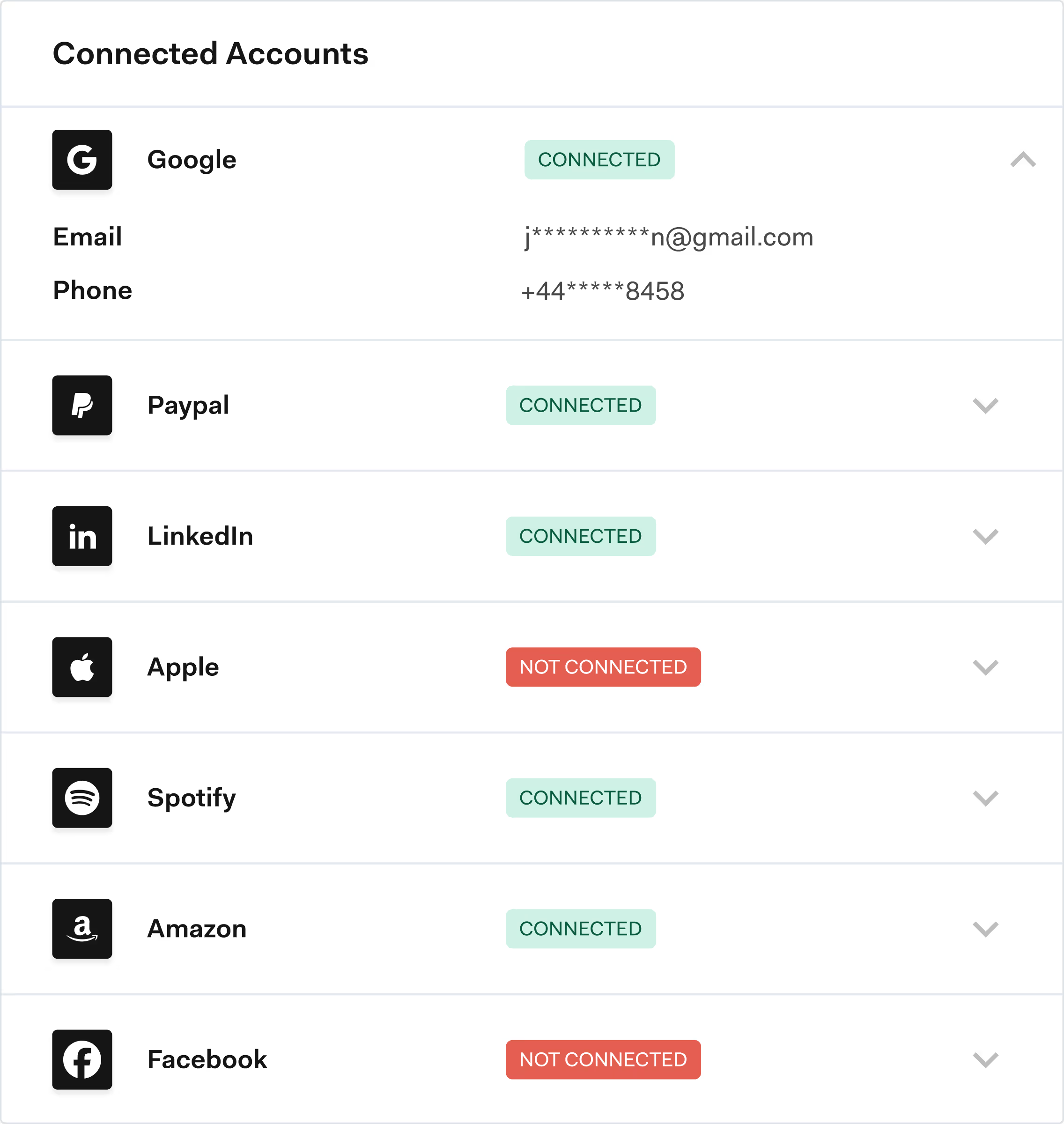
List of connected accounts showing Google, Paypal, LinkedIn, Spotify, and Amazon as connected, and Apple and Facebook as not connected.

Email address analytics

Analyze reviewer email addresses for signs of fake or incentivized activity:
Retrieve online services linked to the email to verify a realistic digital presence
Search for the email in large-scale data breaches to estimate email age
Block newly created or placeholder emails at high risk of abuse
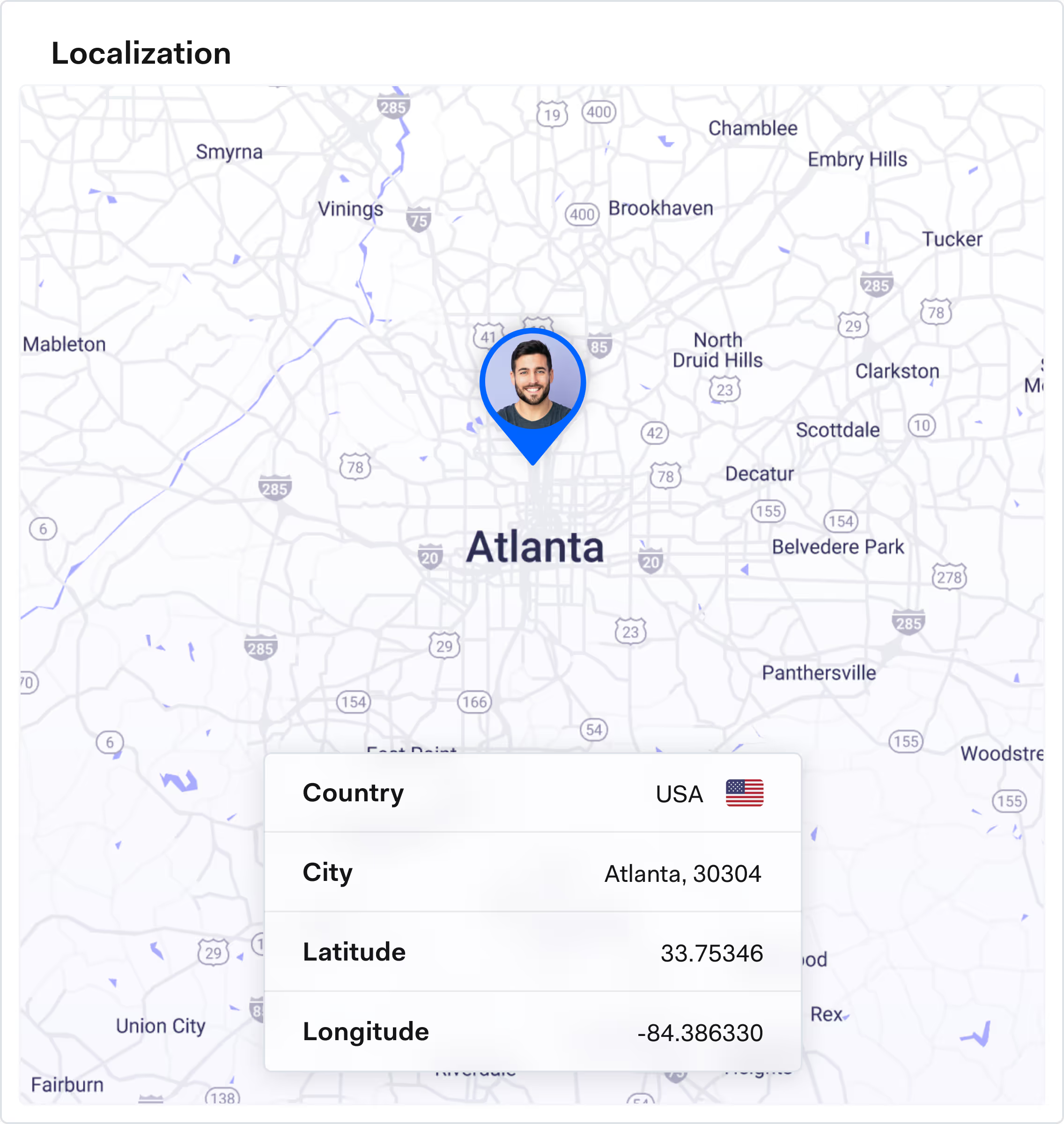
Map of Atlanta with a blue location pin showing a woman's face and a data box displaying country USA.

Global device & IP intelligence

Use IP and device signals to spot fake review networks at scale:
Detect suspicious clusters of reviews coming from the same IP or device
Identify privacy red flags like VPN, proxy or TOR usage
Flag high-risk traffic from known data center IPs and click farms
User interface for defining a rule with conditions: Phone status is Connected and Email connected apps is greater than 5, setting expected result score to 30 with a save rule button.

Seamless API integration

Easily integrate Trustfull’s risk scoring capabilities through API:
Build seamless review and reputation workflows with embedded fraud checks
Access comprehensive documentation on all Trustfull endpoints for fast integration
Customize scoring models and risk rules over time, based on learnings
Table listing phone numbers with country flags, dates, and disposable status; includes UK, Brazil, France, Germany, Greece, India, and China.
List of connected accounts showing Google, Paypal, LinkedIn, Spotify, and Amazon as connected, and Apple and Facebook as not connected.
Map of Atlanta with a blue location pin showing a woman's face and a data box displaying country USA.
User interface for defining a rule with conditions: Phone status is Connected and Email connected apps is greater than 5, setting expected result score to 30 with a save rule button.

Frequently asked questions

What are fake reviews and how do they work?
Fake reviews are deceptive ratings or comments posted without a genuine customer experience, often to artificially boost a product or service, or to damage a competitor. They can be generated by paid reviewers, bots, incentivized users or organized networks, and are typically designed to bypass simple filters and appear authentic.
What are the most common types of fake review abuse?

Common patterns include paid positive reviews, review swapping between merchants, incentivized reviews that don’t clearly disclose rewards, and coordinated negative campaigns against competitors. In many cases, the same individuals control multiple accounts, posting similar content from shared devices, IPs or phone numbers.

What are the key red flags of fake reviews on a platform or marketplace?

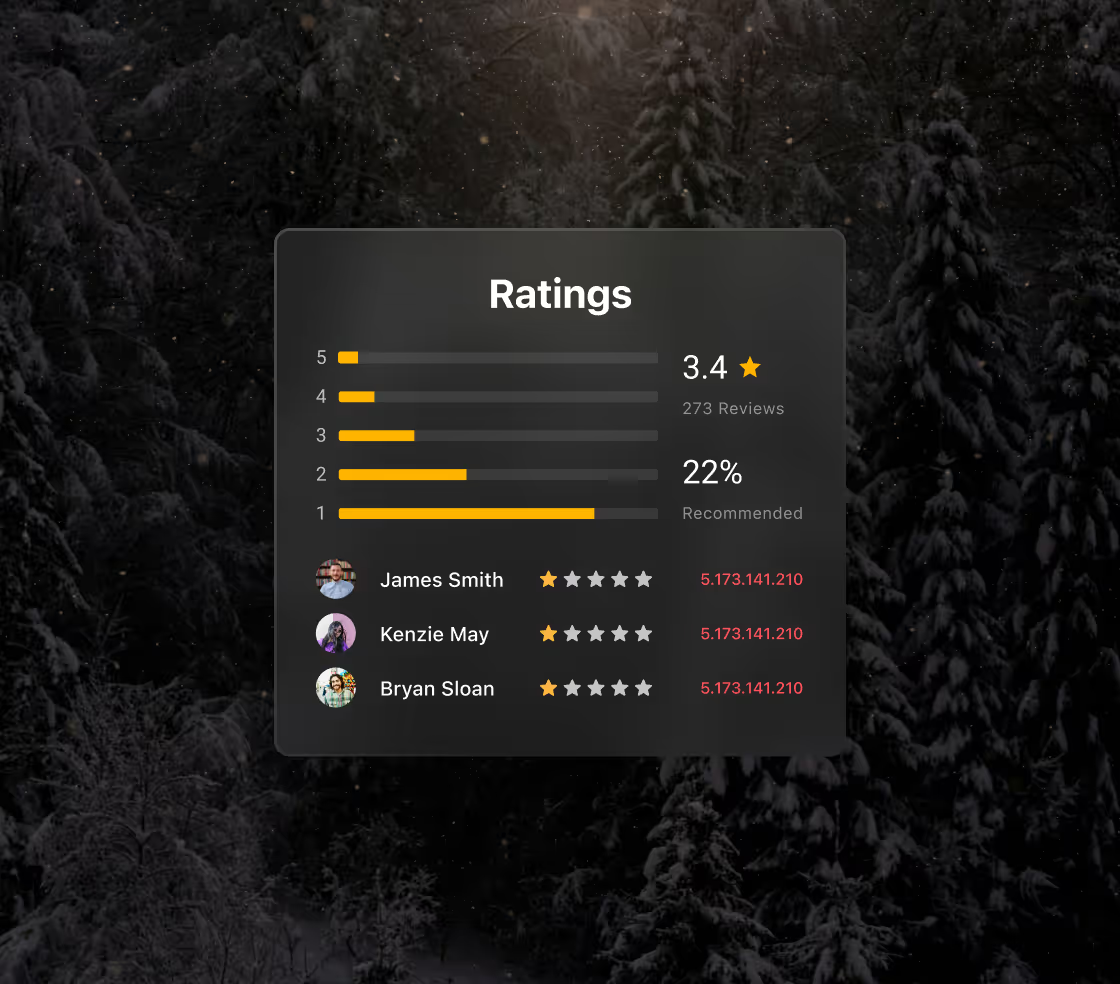
Red flags include sudden spikes in reviews over a short timeframe, many reviews coming from the same IP range or device, new accounts posting only 5-star or 1-star reviews, and suspiciously similar wording across multiple reviews. Other signals include reviewers focusing on one brand only, reviewing products they’ve never purchased, or having incomplete, low-activity profiles.

How do fraudsters create and scale fake review networks?

Fraudsters use disposable emails, virtual phone numbers, emulators and device spoofing tools to create large numbers of accounts that appear distinct. They may warm these accounts up with seemingly legitimate review activity before launching coordinated campaigns, using scripts or manual “click farms” to post, like and report reviews in ways that influence automated ranking and moderation systems.

How can businesses detect and prevent fake reviews without harming genuine users?

Effective strategies combine email and phone intelligence, IP and device data, behavioral analysis and web session intelligence to detect suspicious accounts and fake reviews. By automatically scoring rewiers’ accounts in the background, platforms can optimize content moderation and block fake or coordinated reviews while letting real customers share feedback with minimal friction.

Can’t find the answer you’re looking for?

Book a 30-minute consultation with our team of fraud experts and let us know how we can help.

Learn more about Fake Reviews

Let’s stop Fake Reviews together

Contact us today and let’s discuss how Trustfull’s advanced solutions can help you cut losses, strengthen security, and safeguard your customer experience.
TRUSTED BY WORLD‑LEADING COMPANIES
Twilio logoYounited logoNexi logoRefinitiv logoElavon logoCofidis logoAdmiral logolastminute.com logo