Money muling
Detect money mules at sign-up
Money muling at a glance


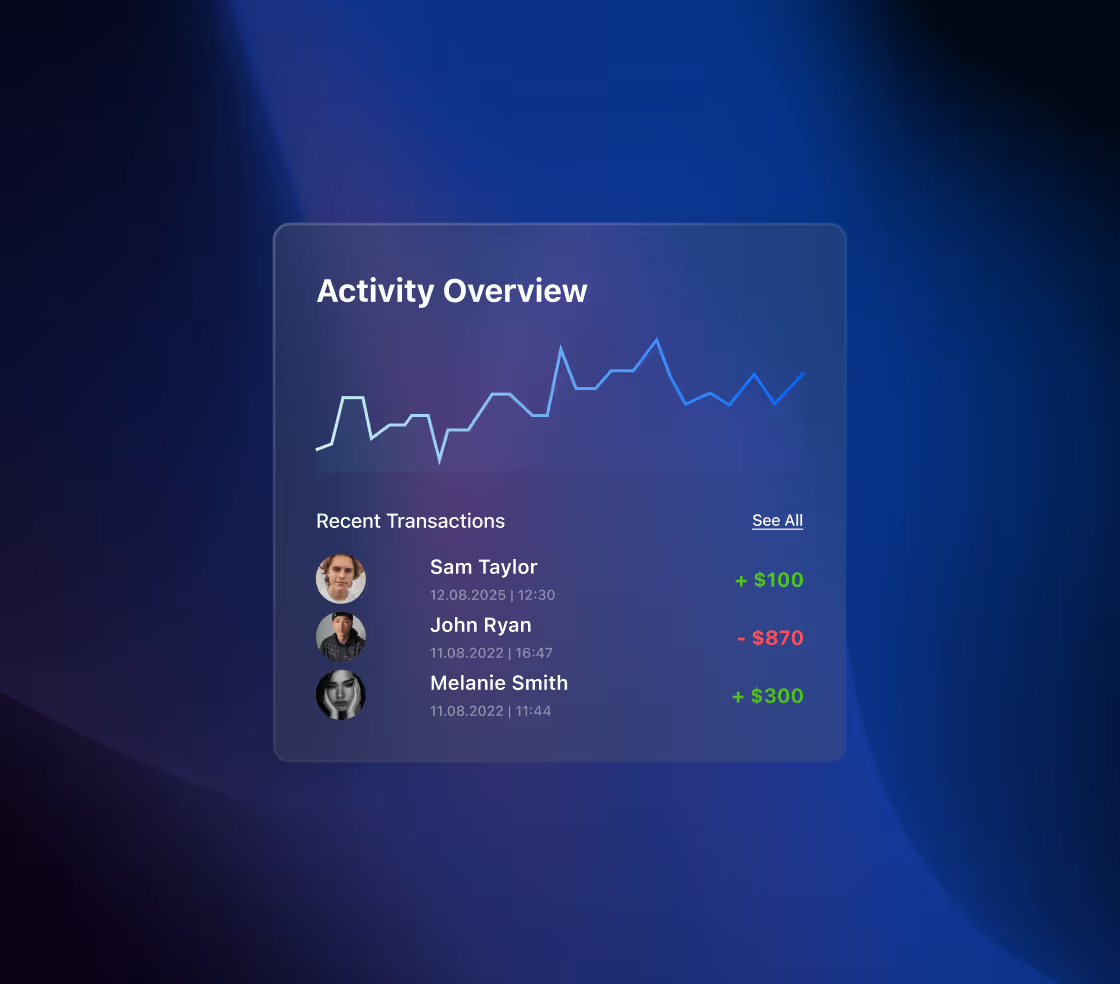
Catch money mules at all critical touchpoints
First line of defence
Assess user risk at the very beginning of the onboarding process.
Silent checks
Detect money mule accounts without slowing down legitimate users.
Powered by OSINT
Leverage the power of hundreds of digital open source intelligence signals.
Event-based
Trigger new checks whenever contact details are updated by customers.
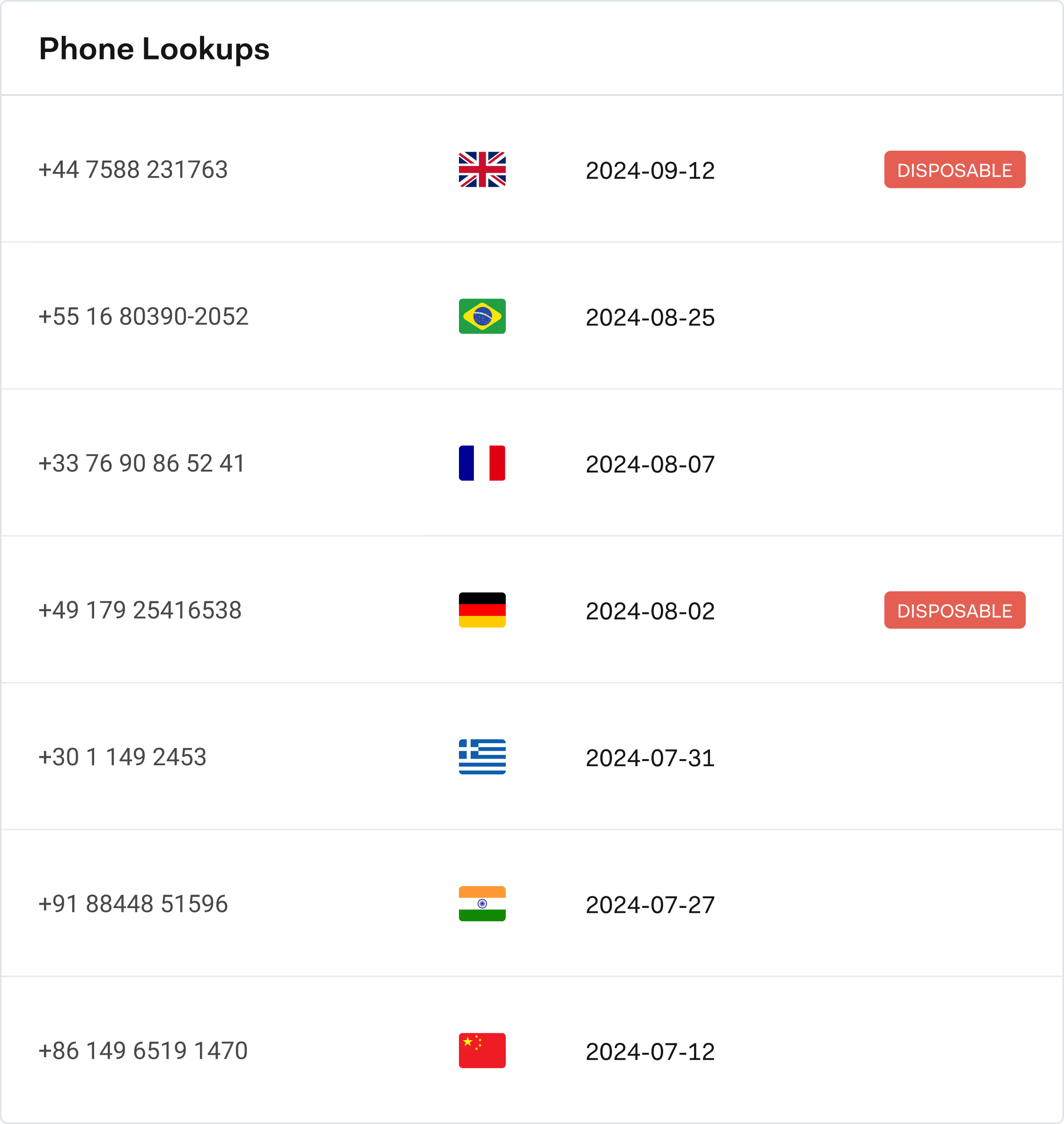
Phone number verification
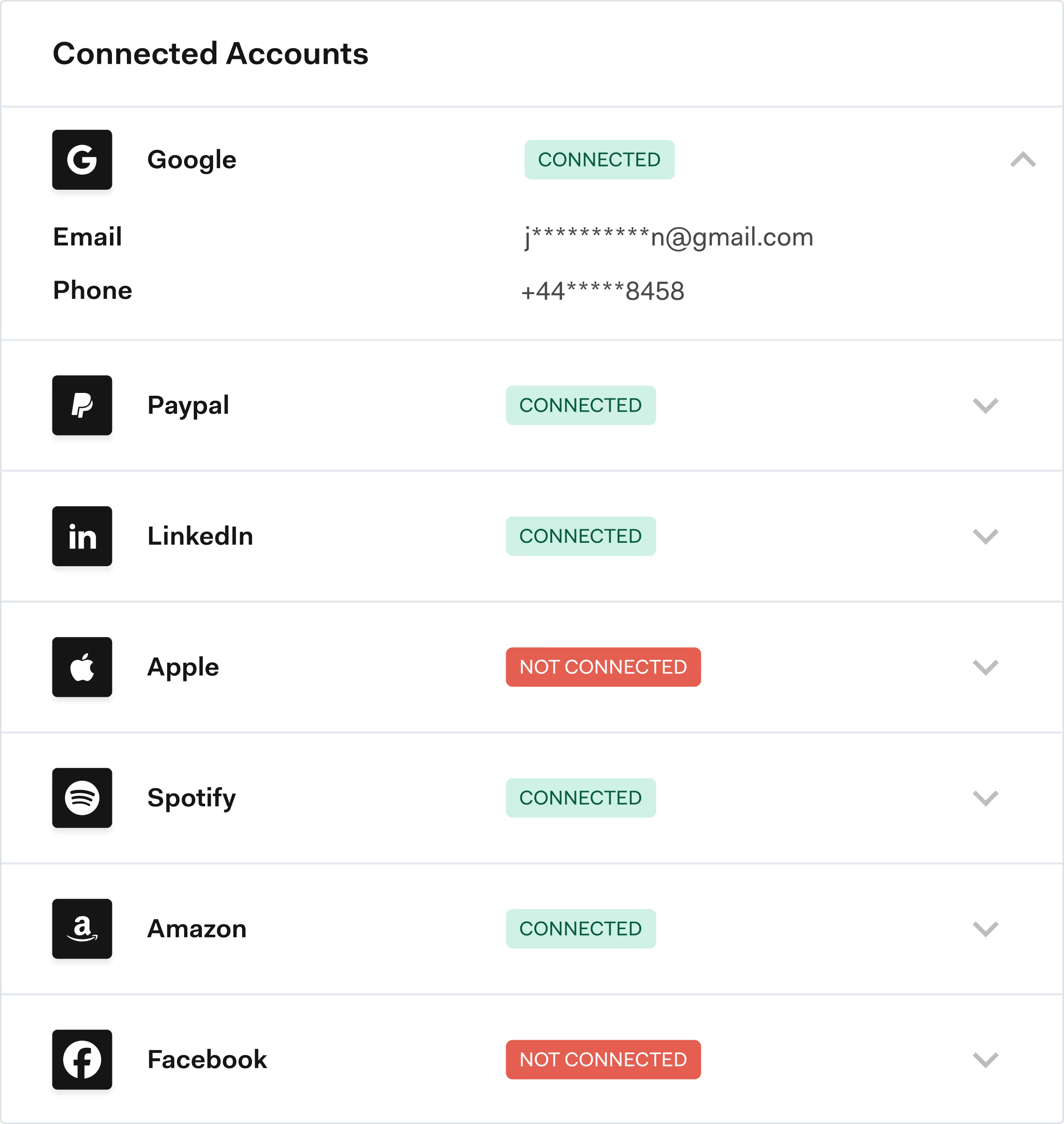
Email address analytics
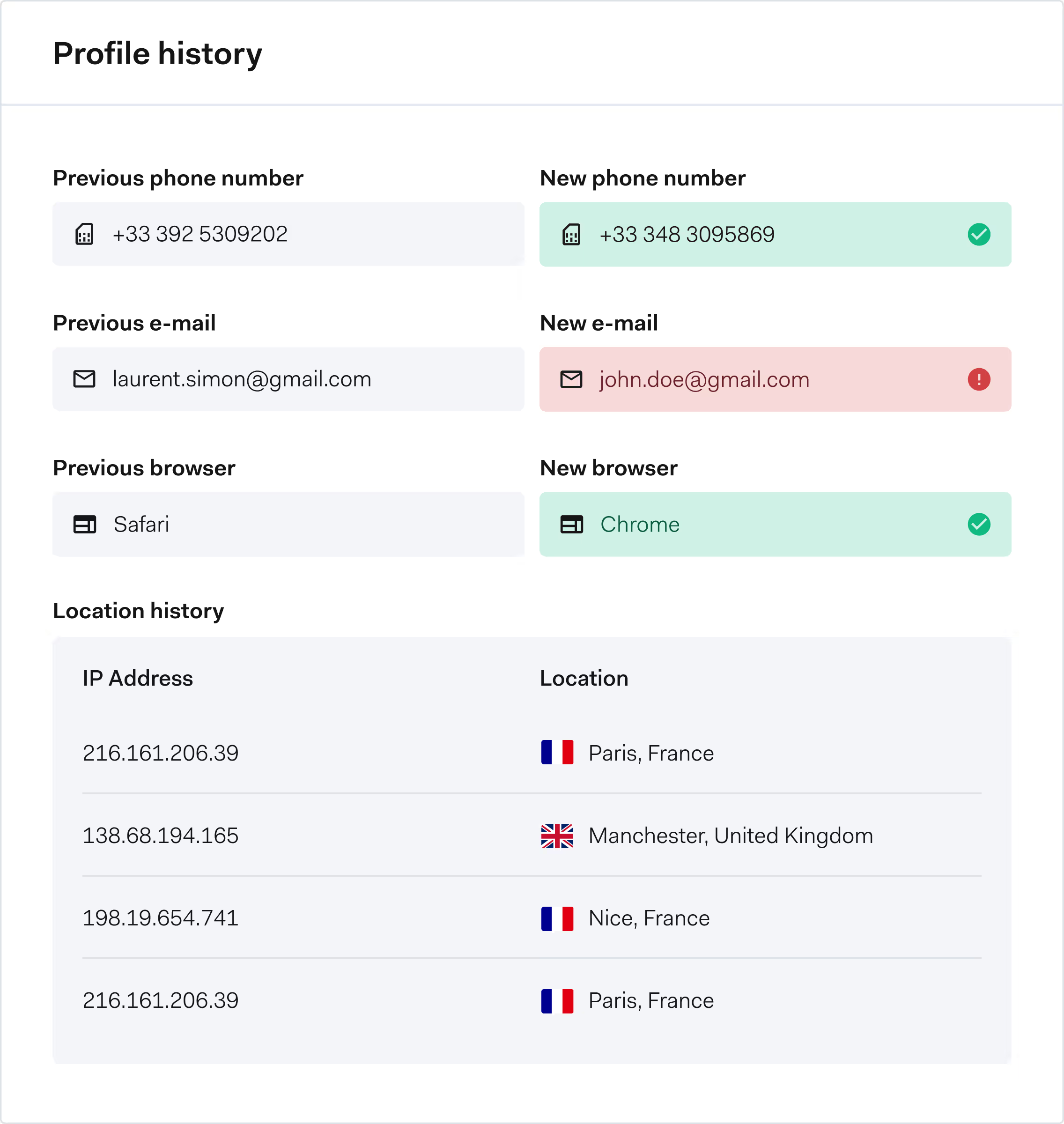
Profile update checks
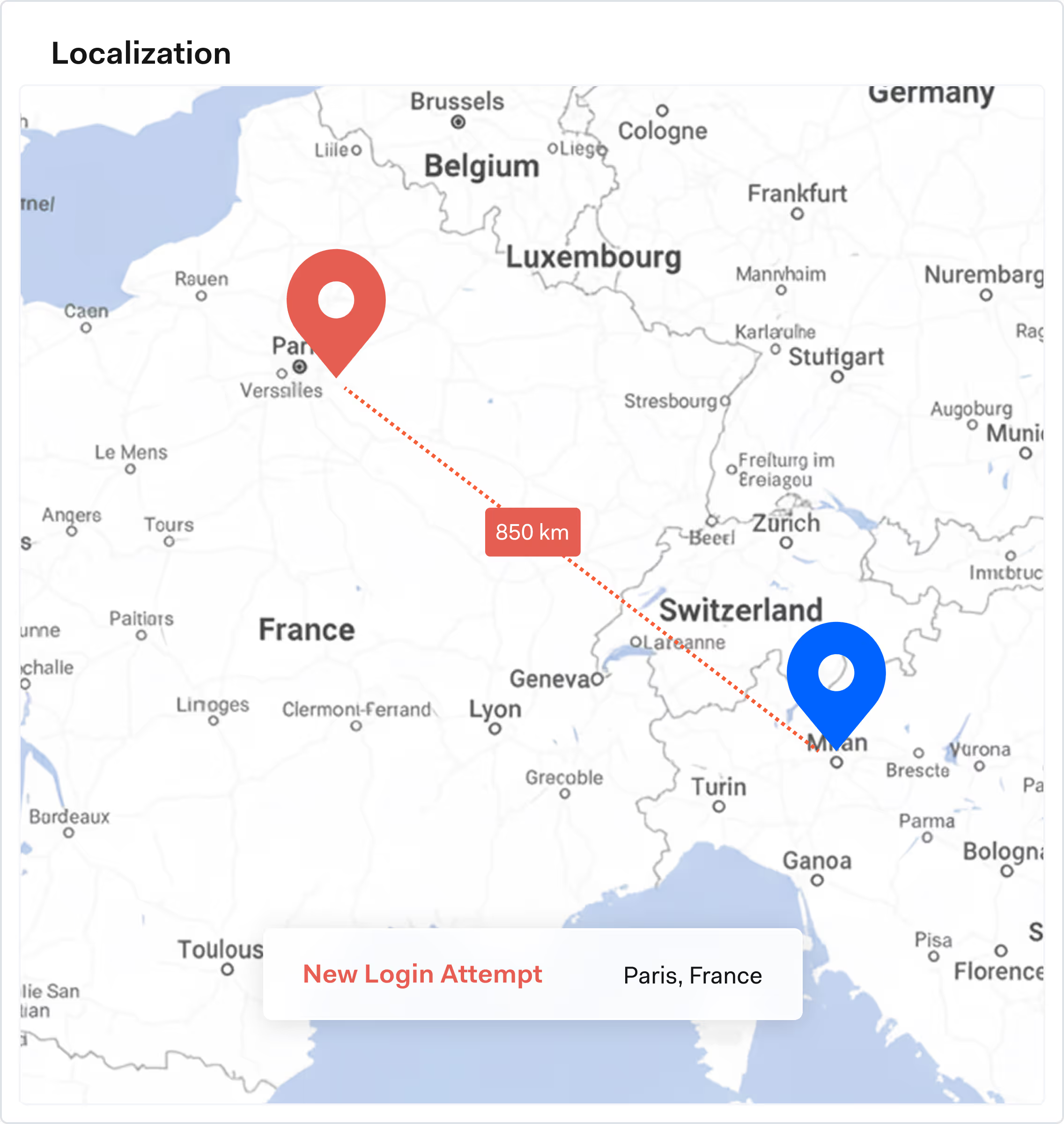
Account access monitoring
“The integration of Trustfull in our AML process allowed us to tap into alternative data sources to identify suspicious behaviour in the account opening phase.”
Luca Crivellari
Security & Antifraud Director, Banca Sella


Frequently asked questions
No. Some mules are complicit and know exactly what they’re doing. Others are “unwitting” and think they’re doing a simple job, helping a friend, or taking part in a “legitimate” opportunity advertised online.
They typically use social media, messaging apps, job boards and romance or investment scams. Offers often promise fast, easy money for “receiving and forwarding payments” or “acting as a local agent.”
Money mules can face account closure, blacklisting, loss of funds and even criminal charges. Financial institutions risk fraud losses, regulatory fines, reputational damage and increased scrutiny from supervisors.
Unusual incoming transfers from multiple sources, rapid onward payments, activity inconsistent with a customer’s profile, use of newly opened or dormant accounts, and frequent changes to contact details or devices can all be indicators of money muling.
Learn more about Money Muling




Protect your business from money muling with Trustfull


